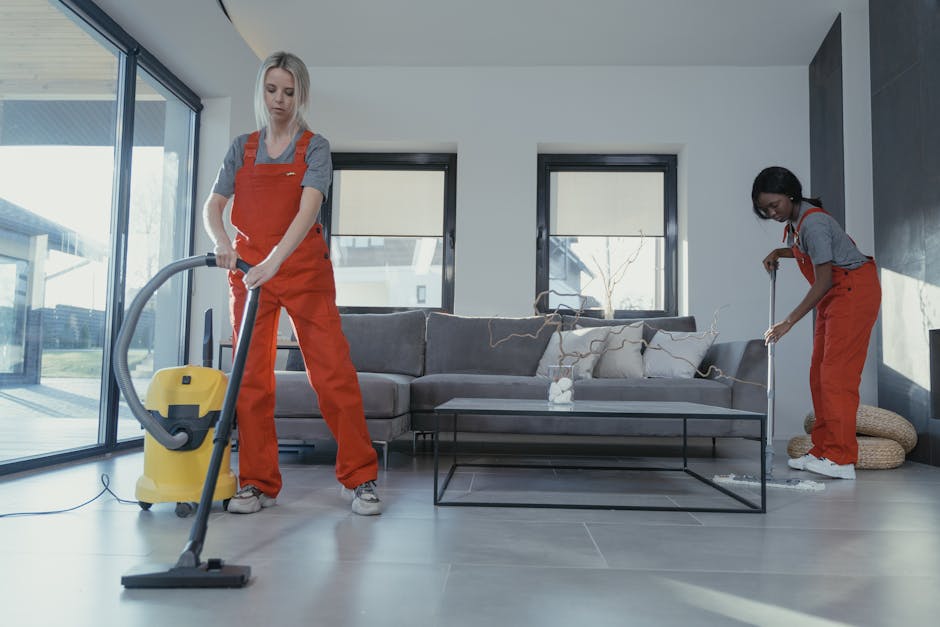
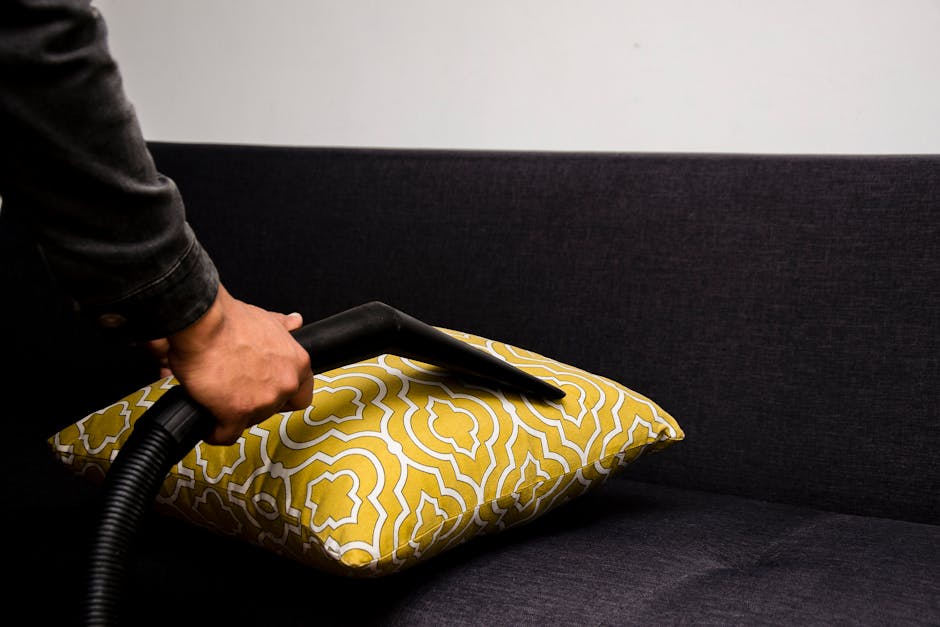
Sofa cleaning services in New Barnet that locals trust
If your sofa has lost its lift, picked up that familiar day-to-day smell, or is holding onto one too many tea spills, you are not alone. In busy homes around New Barnet, sofas take a proper beating: muddy shoes nearby, pets curling up after a walk, kids climbing all over the cushions, and the occasional lunch that should have stayed in the kitchen. Sofa cleaning services in New Barnet that locals trust are about more than making fabric look a bit brighter. They help protect the upholstery, improve the feel of your home, and remove dirt that regular vacuuming simply cannot reach.
In this guide, you will learn how a good sofa clean works, what results to expect, when it makes sense to book one, and how to spot a service you can feel comfortable inviting into your home. We will also cover common mistakes, practical checks, and a simple comparison of cleaning methods. Nothing fluffy. Just the useful stuff, written plainly.
Why sofa cleaning services in New Barnet that locals trust Matters
A sofa is one of those things you stop noticing until it starts looking tired. Then suddenly the armrests feel a bit greasy, the seat cushions look flattened, and every patch of daylight makes the fabric look more worn than you remembered. A proper clean does more than improve appearance. It helps remove embedded dust, body oils, crumbs, pollen, pet dander, and everyday grime that builds up over time.
For many households, the biggest value is not dramatic. It is the small reset. The room feels fresher. The fabric feels softer under you. The house smells cleaner without being over-perfumed. To be fair, that can make the whole living space feel calmer in one afternoon.
Trust matters too. You are inviting someone to work on a large, sometimes expensive piece of furniture in your home. People in New Barnet tend to look for a local service that is careful, punctual, and straightforward about what it can and cannot do. That trust comes from consistent results, sensible communication, and a cleaning approach that suits the sofa rather than forcing one method onto every fabric.
If you are comparing services, it can help to understand the wider cleaning options too. A team that also offers upholstery cleaning, stain removal, or even pet stain and odour removal is often better placed to treat a sofa as part of a broader fabric-care job, not just a quick surface refresh.
How sofa cleaning services in New Barnet that locals trust Works
Most professional sofa cleaning follows a fairly sensible sequence, although the exact steps depend on the material, the level of soiling, and whether the sofa is leather, synthetic, cotton blend, velvet, or something more delicate. Good cleaning is measured, not rushed. If a cleaner walks in and promises the same treatment for every sofa in ten minutes flat, that is probably your cue to pause.
Here is the general flow you would expect:
- Inspection and fibre check. The cleaner identifies the upholstery type, checks seams and labels if available, and looks for stains, wear, or fragile areas.
- Dry soil removal. Loose debris is lifted first with vacuuming or agitation. This matters because cleaning over grit can grind dirt deeper into the fabric.
- Pre-treatment. Spots, marks, and traffic areas are treated with suitable solutions. Grease, drink stains, and pet-related marks may need different approaches.
- Main clean. Depending on the sofa and the method used, the cleaner applies low-moisture, hot-water extraction, or specialised upholstery cleaning processes.
- Rinse and finishing. Residue is reduced, the pile is lifted where appropriate, and cushions are arranged to help drying.
- Drying advice. You are usually given practical guidance about ventilation, heating, and when to sit on the sofa again. Simple, but important.
For some households, a deep sofa clean is booked together with broader home maintenance. That might include deep cleaning after a long winter, or one-off cleaning before guests arrive. In a flat or managed property, it can also sit alongside domestic cleaning or house cleaning so the whole place feels sorted, not just one room.
One small but useful detail: a clean sofa should not feel soggy for ages afterwards. Excess moisture is not a sign of thoroughness. It is usually a sign of poor technique. And nobody wants that damp-clean smell lingering into the evening.
Key Benefits and Practical Advantages
There are the obvious benefits, of course: a cleaner-looking sofa, fewer visible marks, and a fresher room. But the real advantages are a bit broader than that.
- Improved appearance: Colours often look brighter once surface grime is removed, especially on lighter fabrics.
- Better hygiene: Sofas collect dust, skin flakes, food particles, and pet hair. Regular cleaning helps manage that buildup.
- Odour reduction: Everyday smells, spill residue, and pet odours can cling to upholstery fibres.
- Longer fabric life: Dirt wears fabric down over time. Cleaning can help slow that process.
- Better comfort: A sofa can feel less sticky, less flat, and more pleasant to use after a proper clean.
- Better preparation for life changes: Useful before moving home, after renovations, or when letting out a property.
That last point is more relevant than people think. If you are moving soon, sofa cleaning can sit neatly before move-out cleaning or after move-in cleaning. If you rent out a place, especially short lets, it can also pair well with Airbnb cleaning or end of tenancy cleaning.
Expert summary: the best sofa cleaning is not the one with the loudest promise. It is the one that matches the fabric, treats stains carefully, and leaves the sofa looking better without creating new problems.
Who This Is For and When It Makes Sense
Sofa cleaning is not only for visibly dirty furniture. In fact, many people book it when the sofa still looks "okay" but no longer feels fresh. That is often the smartest time, because stains are easier to manage and wear is less advanced.
This service makes sense if you:
- have children who snack on the sofa, which, let's be honest, is nearly every family at some point
- own pets and want to reduce fur, odour, or paw-mark buildup
- notice darkening on armrests or seat cushions
- have bought a second-hand sofa and want a proper reset
- are preparing for guests, a family gathering, or a special occasion
- want to support a cleaner indoor environment without replacing furniture too soon
- manage a rental or managed property where first impressions matter
It also makes sense after a spill that has dried in, because some marks simply are not shifting with household products. A good technician can assess whether the stain is treatable or whether the fibre has already been damaged. That kind of honesty is worth a lot.
If you are weighing up related services, the choice may lean toward rug cleaning or curtain cleaning too, especially if the room has started feeling flat rather than just dirty. A single piece of cleaned furniture can make a difference. A coordinated fabric clean can change the whole room.
Step-by-Step Guidance
If you are booking sofa cleaning for the first time, here is the practical way to approach it.
- Identify the sofa material. If you still have the manufacturer's care label, keep it handy. It helps the cleaner choose the right method.
- List the problems clearly. Mention stains, smells, pets, recent spills, or any fabric damage before the visit. A cleaner can prepare better that way.
- Clear the area around the sofa. Move small tables, throws, and ornaments so the cleaner can work safely and reach all sides.
- Ask about the method. Low-moisture cleaning, hot-water extraction, and specialised upholstery care each suit different situations.
- Check drying expectations. Ask how long the sofa should be left before regular use. That answer should sound realistic, not magical.
- Ventilate the room. Open windows if possible. Even on a grey Barnet afternoon, a bit of airflow helps.
- Follow post-clean guidance. Do not pile cushions back into place too soon if they need to dry separately.
A sensible provider will also explain limits. For example, some old stains may fade but not disappear entirely. Some delicate fabrics need a lighter touch. That is normal. What you want is careful improvement, not a reckless attempt to "blast" every mark away.
If you like to bundle jobs, you may find it useful to line sofa care up with steam carpet cleaning or pet stain odour removal. It keeps the home feeling consistent rather than patchy.
Expert Tips for Better Results
Small decisions make a big difference here. Truth be told, a lot of disappointing results come from avoidable mistakes rather than bad equipment.
- Test cleaning products before going full steam ahead. Even professional solutions should be matched to the fabric.
- Vacuum first. Removing loose dirt protects the fabric and improves the main clean.
- Be specific about the stain history. Coffee, wine, grease, makeup, pet accidents, and ink all behave differently.
- Book before the sofa gets heavily worn. Maintenance cleaning is usually easier than rescue cleaning.
- Use the service notes. If you know a cushion has a weak seam or a faded patch, say so upfront.
- Think about the whole room. A clean sofa looks best when the surrounding textiles are not dragging the room down.
One thing locals often appreciate is a cleaner who talks plainly. Not technical waffle. Just clear guidance: this will improve, this may lighten, this needs extra drying time. That kind of honesty builds confidence quickly.
And yes, good cleaning can be a little bit of a waiting game. A sofa that looks a touch damp at lunchtime can often feel properly settled by the evening, especially with sensible ventilation. Patience, annoyingly, does help.
Common Mistakes to Avoid
Most upholstery problems come from trying to solve them too aggressively.
- Using too much water: Over-wetting can leave marks, slow drying, and in some cases create odour issues.
- Scrubbing stains hard: That can push the mark deeper into the fibres or damage the pile.
- Applying random household cleaners: Not every product is safe for upholstery, and some leave sticky residue.
- Ignoring the fabric type: Velvet, wool blends, synthetics, and leather all need different treatment.
- Waiting until the sofa is badly neglected: Older buildup is harder to remove cleanly.
- Choosing only on price: Cheap can be fine, but only if the process is right and the provider is transparent.
There is also a trust issue. If a service cannot explain what happens during the clean, what chemicals are used, or how drying works, that is worth questioning. Better to ask a slightly awkward question now than regret it later. Nobody enjoys that moment when the sofa is still damp and you are wondering what exactly was sprayed on it.
Tools, Resources and Recommendations
A good sofa cleaning service typically uses professional upholstery vacuuming tools, controlled application equipment, fabric-safe cleaning solutions, and extraction or low-moisture systems depending on the material. The exact kit varies, but the principle is always the same: remove soil without over-treating the fabric.
For homeowners, the most useful "resources" are surprisingly simple:
- the care label on the sofa, if present
- your original purchase details or fabric notes
- a record of known stains or past treatments
- good ventilation during and after the clean
- a lint roller or soft brush for in-between maintenance
For broader home care, it may also help to look at services like carpet cleaning, hard floor cleaning, and window cleaning if you are doing a full refresh rather than a single-furniture clean. A tidy room with a clean sofa tends to feel finished. That is the bit people notice first.
If your home is in a rented block or shared building, communal area cleaning may also be worth considering separately, because the entrance and shared spaces shape the first impression before anyone even sits down.
Law, Compliance, Standards, or Best Practice
For sofa cleaning, there usually is not one single special rule people need to memorise. What matters more is common-sense best practice, careful handling, and respect for property and safety. In the UK, a professional cleaner should work in line with sensible health and safety expectations, use products appropriately, and take care around electrical items, moisture, and fragile furnishings.
If you are hiring a cleaning business, a few trust signals are worth checking:
- clear service descriptions and honest limitations
- transparent pricing or at least a clear quote process
- appropriate insurance and safety awareness
- a sensible complaints route if something goes wrong
- careful handling of your home, furniture, and personal space
It can also be reassuring when a company makes its policies easy to find, such as insurance and safety information, health and safety policy, terms and conditions, and privacy policy. That does not guarantee perfect service, of course, but it does show the company is thinking about the details that matter.
For customers, the best practice is simpler still: ask questions, describe the fabric accurately, and make sure you understand what is included before work begins. Clear expectations save everyone time.
Options, Methods, or Comparison Table
Different sofas need different approaches. The table below gives a straightforward comparison. It is not exhaustive, but it should help you understand the main choices.
| Method | Best for | Pros | Things to watch |
|---|---|---|---|
| Low-moisture upholstery cleaning | General maintenance, delicate situations, quicker drying needs | Gentler on fabrics, less downtime, useful for regular care | May be less effective on very deep contamination |
| Hot-water extraction | Heavily used sofas, built-up dirt, stronger refresh needs | Good soil removal, strong reset for many fabrics | Requires careful drying and fabric suitability checks |
| Targeted stain treatment | Specific marks like drinks, food, or pet accidents | Focused approach, useful as part of a larger clean | Not every stain can be fully removed |
| Leather care | Leather sofas and chairs | Helps clean, condition, and protect the finish | Needs product compatibility and a lighter touch |
If your sofa is part of a larger home reset, it may be sensible to add regular cleaning for the rest of the property, or combine the appointment with oven cleaning if you are preparing for guests or a tenancy handover. Small details, big difference. That is usually how it goes.
Case Study or Real-World Example
A family in New Barnet had a fabric corner sofa that looked fine from across the room but felt tired up close. The armrests had darkened, one seat cushion carried a pale juice mark from months earlier, and the sofa held onto a faint, stale smell after winter. Nothing dramatic. Just enough to make the room feel slightly off.
After a short inspection, the cleaner explained that the fabric could be treated safely with a controlled upholstery process, but the old stain might only lighten rather than disappear completely. That kind of expectation-setting matters more than people realise.
The clean removed a good layer of general grime, reduced the odour, and made the fabric colour look more even. The old mark softened rather than vanished. The family was fine with that because the overall result felt honest and worthwhile. The room looked fresher by the next morning, and the sofa felt better to sit on. Not perfect. Better. Which, in real homes, is often exactly the point.
That is the pattern with many sofa cleaning jobs: the visible difference is nice, but the real win is how the room feels when you walk back into it later.
Practical Checklist
Use this quick checklist before you book or before the cleaner arrives.
- Identify the sofa material or care label if you can.
- Note every stain, smell, or damaged area you want addressed.
- Move small items away from the sofa and clear the working space.
- Ask which cleaning method will be used and why.
- Confirm expected drying time and room ventilation advice.
- Check whether cushions, throws, or removable covers need separate treatment.
- Ask what results are realistic for older stains.
- Make sure you are happy with pricing, payment, and service terms.
- Plan not to use the sofa immediately after cleaning if drying is still underway.
- Keep a note of any aftercare advice for future reference.
If you want a provider with a broader service set, you might also look at about us to understand the company background, or review pricing and quotes before arranging work. Simple checks, but they help you feel in control.
Get a free quote today and see how much you can save.
Conclusion
When sofa cleaning is done properly, it quietly changes the whole room. The fabric looks more alive, the air feels fresher, and the sofa stops dragging the space down. That is why sofa cleaning services in New Barnet that locals trust are valued not just for the clean itself, but for the sense of order they bring back into everyday life.
The best choice is usually the one that understands your sofa's fabric, gives honest expectations, and treats your home with care. Whether you are dealing with pet hair, spill marks, old grime, or just a bit of general wear, a good clean can make the furniture feel cared for again. And if that happens on an ordinary weekday, even better. Small wins count.
In a busy home, a fresh sofa can feel like a deep breath.
Frequently Asked Questions
How often should I book sofa cleaning?
It depends on how much the sofa is used. Many households benefit from a professional clean every 12 to 24 months, while homes with pets, children, or heavy daily use may need it more often.
Will sofa cleaning remove all stains?
Not always. Fresh stains are usually easier to treat than older ones, and some marks may lighten rather than disappear completely. A good cleaner should explain that honestly before starting.
How long does a sofa take to dry?
Drying time varies by fabric, method, ventilation, and weather. Some sofas are ready within a few hours, while others may need longer. Good airflow makes a real difference.
Is sofa cleaning safe for delicate fabrics?
It can be, provided the method is chosen carefully. Velvet, wool blends, and other delicate materials need a lighter touch and a proper inspection first.
Can sofa cleaning help with pet smells?
Yes, it often helps a lot, especially when odour has settled into the fabric. For stronger pet-related issues, a specialist approach such as pet stain and odour treatment may be more suitable.
Should I vacuum the sofa before the cleaner arrives?
If you can do a light vacuum, that is helpful. It removes loose debris and lets the professional focus on the embedded dirt and stain treatment.
What should I tell the cleaner before the appointment?
Tell them the sofa material if known, the type of stains involved, any pet issues, and whether the sofa has been treated before. The more accurate the information, the better the plan.
Can sofa cleaning be done alongside carpet cleaning?
Absolutely. Many people book sofa work together with carpet cleaning or upholstery cleaning so the room feels consistently refreshed.
Is steam cleaning always the best option?
No. Steam or hot-water extraction can be excellent for some fabrics, but not every sofa is suited to it. The right method depends on the upholstery type and condition.
How do I know if a sofa cleaning company is trustworthy?
Look for clear communication, realistic expectations, visible policy pages, and sensible answers to your questions. Trust usually shows up in the details, not just the sales pitch.
Do I need to leave the house during the clean?
Usually not. Most sofa cleaning jobs can be carried out while you are at home, although it helps to keep the area clear and give the cleaner space to work.
What if my sofa is very old or worn?
A professional clean can still improve appearance and freshness, but very worn fabric may have limits. A careful cleaner will point out damage or fading before promising too much.