Flat cleaning tips for Totteridge estates and maisonettes
If you live in a Totteridge estate or maisonette, you already know flat cleaning can feel different from cleaning a typical house. Narrow hallways, shared entrances, stairwells, delicate finishes, and neighbours just beyond the wall all change the game a bit. The good news? With the right approach, Flat cleaning tips for Totteridge estates and maisonettes can save time, reduce stress, and keep your home looking properly cared for without turning every weekend into a full-scale operation.
This guide is built for real life. Not the perfect-museum version of it. We'll walk through what makes these homes trickier to maintain, how to clean them efficiently, which mistakes quietly create more work later, and when a professional touch makes sense. A tidy flat is nice; a flat that stays tidy is better.
For homeowners, landlords, tenants, and block residents alike, the aim is the same: a cleaner space that feels calmer, smells fresher, and is easier to keep on top of. Let's get into it.
Why Flat cleaning tips for Totteridge estates and maisonettes Matters
Flats and maisonettes often collect dirt in ways that are easy to underestimate. You might not see mud on the floor, but there's dust in the corners, limescale in the bathroom, cooking residue in the kitchen, and that odd grey film that settles on skirting boards and window ledges. Shared corridors can also drag in extra grit, especially in wetter months when shoes bring in everything from damp leaves to road dust.
In Totteridge, many residents care about keeping properties neat not just for comfort, but for presentation. That matters if you're renting, preparing for guests, dealing with a sale, or simply trying to keep communal living polite and pleasant. A clean front door area and a well-kept flat create a better impression immediately. And yes, people notice. Even if they pretend they don't.
There's also a practical angle. Regular cleaning reduces wear on flooring, upholstery, grout, and paintwork. It can help prevent odours from lingering in smaller spaces, where ventilation may not always be ideal. A maisonette with stairs, split levels, or compact storage tends to accumulate clutter faster too, which makes cleaning harder if you leave it too long.
Put simply, the reason these tips matter is not because flat cleaning is glamorous. It isn't. It's because in a smaller, shared, or multi-level home, good routines make a bigger difference than they do in a detached house. A little consistency goes a long way.
How Flat cleaning tips for Totteridge estates and maisonettes Works
Effective flat cleaning starts with sequencing. If you clean randomly, you move dust around and end up redoing surfaces. If you work from top to bottom and from dry tasks to wet tasks, you get cleaner results with less effort. That basic principle sounds simple, but it saves a surprising amount of time.
In maisonettes, the layout matters. Stairs, landings, under-stair storage, balcony doors, and split-level living spaces create pockets where dust collects. Estates can add another layer: bins, shared pathways, entry systems, and communal touchpoints. So the job is not only inside the flat. It's also about the bits that connect your home to the rest of the building.
A good clean usually begins with decluttering. You don't need to empty the flat into the hallway, obviously, but you do need surfaces clear enough to reach them properly. Then you dust high points first: tops of cupboards, shelves, light fittings, curtain rails, and frames. After that comes vacuuming, wiping, and deeper work in the kitchen and bathroom. Floors should come near the end, once everything else has been dealt with.
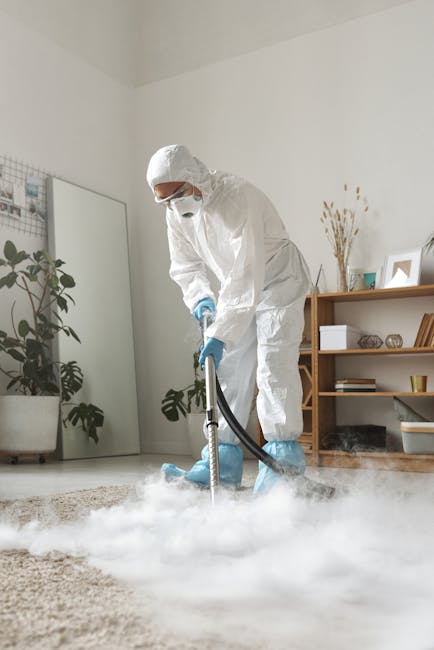
For periodic deeper work, many residents book broader services such as deep cleaning or, if floors are the main issue, hard floor cleaning. When carpets are holding on to odours or old marks, carpet cleaning or steam carpet cleaning can be a smarter reset than repeated scrubbing at home.
Key Benefits and Practical Advantages
There are a few obvious benefits to keeping a flat clean, but the quieter ones are often the most valuable.
- Less daily stress: A tidy flat is easier to live in. You spend less time hunting for things and less time feeling like the place is closing in on you.
- Better hygiene: Kitchens, bathrooms, and high-touch surfaces are easier to manage when cleaning is done regularly rather than only when things look bad.
- Longer-lasting finishes: Dust, grease, and grit can wear down paint, wood, flooring, and fabrics if they're left too long.
- Improved air feel: Small homes can trap smells more quickly, so routine cleaning helps the place feel lighter.
- Better landlord or buyer impression: If you're moving, a clean flat often feels more spacious and better maintained.
- Less effort later: This is the big one. Preventative cleaning is usually easier than rescue cleaning. Truth be told, rescue cleaning is where everyone gets annoyed.
There's also a lifestyle benefit in shared buildings. When your flat and entry space are kept tidy, you're less likely to feel like mess is creeping in from every direction. That sounds small, but in a compact maisonette, it really does shape how the place feels at the end of a long day.
If your home includes fabric furnishings, regular care helps those too. Services like upholstery cleaning, sofa cleaning, and mattress cleaning can support a cleaner overall environment when everyday wiping is no longer enough.
Who This Is For and When It Makes Sense
This approach works for a lot of people, but it's especially useful if you fall into one of these groups:
- Busy tenants who need a realistic routine that fits around work and commuting.
- Homeowners in maisonettes who want to protect finishes and keep the place presentable.
- Landlords and letting agents who need flats turned over neatly between occupiers.
- Flat sharers who need a cleaning system that stops one person carrying the whole load.
- Older residents or anyone with mobility limitations who benefits from simpler, safer cleaning routines.
- People preparing for a move who need a more intensive clean before handover or move-in.
It also makes sense after building work, decorating, or a long period of neglect. Dust from even minor works has a habit of landing everywhere, especially along skirting, ledges, and inside cupboards. That is when a more structured plan, or a service such as after builders cleaning, becomes very useful.
And if you're looking at regular help rather than one-off rescue work, regular cleaning or one-off cleaning can be the difference between "always catching up" and "mostly under control".
Step-by-Step Guidance
Here's a practical system that works well in Totteridge flats and maisonettes. It's not fancy, just reliable.
1. Start with a quick reset
Pick up clothes, shoes, post, bags, and anything that does not belong in the room. The cleaner the surface, the faster the rest of the job goes. If you keep stopping to move things, you'll lose momentum. And momentum matters more than motivation, to be fair.
2. Open windows where you can
Fresh air helps reduce that stale, closed-in feeling that compact homes sometimes get. Even ten minutes can make a room feel different. On a crisp morning, you will notice the change immediately.
3. Dust from high to low
Clean ceiling corners, shelves, tops of doors, picture frames, and curtain poles first. Dust falls downward, so it makes little sense to do the floor before the rest. Use a microfibre cloth or duster that traps dust instead of sending it back into the air.
4. Tackle the kitchen properly
In flats, kitchens work hard. Clean splashback areas, hob controls, handles, bin lids, sinks, and the outside of appliances. If grease has built up around the oven, a service like oven cleaning can save you a lot of friction. Yes, friction. That sticky layer around knobs and seals is exactly the kind of thing people ignore until it becomes deeply annoying.
5. Refresh the bathroom
Bathroom cleaning is all about small details: taps, grout, plugholes, shower screens, tiles, and the underside of sinks. Limescale is easier to remove if you deal with it regularly. Leave it and it clings on like it pays rent.
6. Wash touchpoints and switch plates
Door handles, light switches, banisters, intercom buttons, and cupboard pulls all collect grime. These are quick wins. You may not see them first, but you feel them later.
7. Clean soft furnishings and fabrics
If curtains smell a bit flat or a sofa has absorbed cooking odours, use targeted care rather than over-wetting the fabric. curtain cleaning and curtain cleaning may not be top of mind, but fabrics can carry a surprising amount of dust in smaller homes. For rugs, rug cleaning is often the safer route than aggressive household treatment.
8. Finish with floors
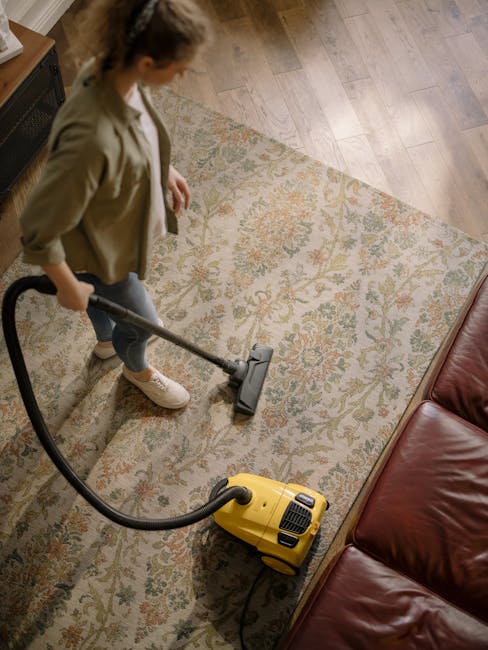
Vacuum or sweep slowly, especially along edges, under furniture, and near skirting boards. Then mop or spot-clean as appropriate. In maisonettes with stairs, clean stair treads and edges carefully, since those areas show wear quickly.
9. Don't forget windows and ledges
Window cleaning is one of those jobs that makes a flat look brighter immediately. Smudges and dust on ledges can make a room feel older than it is. If your windows are hard to reach or awkwardly positioned, a dedicated window cleaning service can be worth considering.
10. Check the "hidden" spots
Look under beds, behind radiators, behind bins, in hallway corners, and on top of wardrobes. These are the places where dust bunnies move in and never quite leave.
Expert Tips for Better Results
A lot of people clean hard, but not always smart. The trick is to reduce effort without reducing standards.
- Use two cloths, not one. One for dusty work and one for final detailing. That keeps grime from spreading around.
- Work in zones. Flat cleaning is easier when you divide the property into kitchen, bathroom, bedroom, and living area instead of trying to "do the whole place".
- Prioritise contact points. If time is short, clean what hands touch the most.
- Use a caddy or basket. Carrying supplies room to room stops you wasting time walking back and forth. Small thing, big difference.
- Let products dwell briefly. In kitchens and bathrooms, a minute or two helps loosen dirt before you wipe.
- Don't over-wet compact rooms. Moisture lingers in flats more easily than in larger houses. Too much water can mean damp smells and slow drying.
- Keep a maintenance routine. A 15-minute tidy twice a week often beats a heroic six-hour session once a month.
One small habit that helps: clean the area you dislike most first. That horrible patch behind the bin, the bathroom sink, the greasy extractor edge. Get it done early and the rest feels easier. Strange, but true.
If you need help with more stubborn stains, targeted support such as stain removal or pet stain odour removal can be a better long-term answer than repeatedly scrubbing one patch with the wrong product.
Common Mistakes to Avoid
Some cleaning mistakes are harmless enough. Others quietly make life worse.
- Using too much product: More is not better. It often leaves residue that attracts dirt later.
- Cleaning from bottom to top: You end up putting dust back onto already-clean surfaces.
- Ignoring ventilation: Flats can feel stuffy quickly, so stale air lingers if you never open windows.
- Forgetting communal touchpoints: Entry doors, mats, and shared hallway edges can make the whole place feel unkempt.
- Scrubbing delicate finishes aggressively: Painted panels, veneers, and some worktops can mark easily.
- Leaving limescale and grease too long: Both become more stubborn with time.
- Trying to do everything in one burst: That is how people get fed up and stop halfway. Seen it plenty.
There's also the "cleaning blind spot" problem. You get used to the smell, the streaks, or the clutter, so it no longer jumps out at you. Ask yourself: would this space feel the same to a visitor who has not been here all week?
Tools, Resources and Recommendations
You do not need a trolley full of gadgets. A sensible flat-cleaning kit usually includes:
- microfibre cloths
- a vacuum with attachments
- a mop suited to your flooring
- an all-purpose cleaner appropriate for the surface
- a bathroom cleaner for limescale and soap residue
- glass cleaner or a streak-free alternative
- a small brush for grout, corners, and tracks
- rubber gloves
- bin liners and a lidded caddy for supplies
If your flat has hard flooring throughout, it's worth being cautious with overly wet methods. Some finishes cope well with damp mopping; others do not. For that reason, hard floor cleaning support can be useful when floors need more than a quick sweep and mop.
In homes where fabrics hold onto dust or odours, support from upholstery cleaning can make the living room feel fresher without replacing furniture. And if the flat has a noticeable build-up of dust after renovations or property work, deep cleaning is often the most efficient reset.
If you want help from a local team, you can also review service information like domestic cleaning and house cleaning to understand how a property-wide clean may be structured. For moving days, move in cleaning and move out cleaning are especially relevant.
Law, Compliance, Standards and Best Practice
For most residents, flat cleaning is a practical matter rather than a regulated one. Still, a few UK best-practice points are worth keeping in mind.
If you live in a block or estate, always respect building rules around noise, disposal, access, and use of communal areas. Loud vacuuming at unsociable times or leaving rubbish in shared hallways can cause friction quickly. No one wants that awkward note on the noticeboard.
When using cleaning chemicals, follow product instructions carefully and avoid mixing substances. That sounds basic because it is basic, but it matters. Good ventilation also helps reduce exposure to fumes in compact rooms. If you have children, pets, allergies, or asthma concerns, choose products cautiously and store them securely.
For landlords, letting agents, and tenants preparing for a handover, a sensible standard is to leave the flat clean, odour-free, and ready for normal use. If you are moving out, an organised service like end of tenancy cleaning can help bring everything up to a more consistent standard. For furnished lets or short stays, Airbnb cleaning can be relevant too.
From an operational point of view, reputable cleaning providers should also be clear about insurance, safety procedures, payment terms, and complaints handling. Those are not just admin pages; they are part of trust. If you are comparing options, it is sensible to review insurance and safety, health and safety policy, payment and security, terms and conditions, and complaints procedure. It's the boring stuff that often tells you the most.
Options, Methods, or Comparison Table
Different cleaning approaches suit different flats. Here's a simple comparison to help you choose.
| Method | Best for | Strengths | Watch-outs |
|---|---|---|---|
| Daily tidy-up | Busy flats and sharers | Keeps mess from building up, quick to maintain | Doesn't tackle deep grime or hidden buildup |
| Weekly structured clean | Most maisonettes and estates | Balanced, realistic, good for staying ahead | Needs consistency |
| Monthly deep clean | Higher-use homes or neglected areas | Reaches neglected spots, refreshes the whole home | Takes longer and may need stronger products or more effort |
| Professional clean | Moves, end of tenancy, stubborn dirt, busy households | Efficient, thorough, useful for tricky areas | Costs more than DIY, so timing matters |
If you are weighing DIY against professional support, a simple rule helps: if the job is routine and the surfaces are straightforward, clean it yourself. If it involves heavy staining, delicate materials, time pressure, or post-build residue, use specialist help. No drama, just judgement.
Case Study or Real-World Example
A typical Totteridge maisonette scenario looks something like this. A resident returns from work each evening, drops shoes by the front door, and means to tidy up "properly at the weekend". By Friday, the hallway has a bit of grit from damp weather, the kitchen splashback has cooking residue, and the sofa carries that faint lived-in smell you only notice once the windows have been shut for a while.
Rather than trying to conquer the whole flat in one go, the resident splits the job into two sessions. On one evening, they declutter, wipe the kitchen, and vacuum the main living areas. On the next, they do the bathroom, stairs, ledges, and a final floor pass. The flat looks cleaner almost immediately, but more importantly, it starts staying cleaner because there's a repeatable pattern now.
That is usually what changes things. Not perfection. A pattern.
In another case, a landlord preparing a flat for new occupants notices the carpets look clean at first glance, yet the rooms still smell faintly stale. Surface vacuuming wasn't enough. The quicker fix was a more targeted reset using steam carpet cleaning, plus a focused kitchen and bathroom clean. The property then felt genuinely ready, not just "finished on paper".
Practical Checklist
Use this checklist before you call a flat clean complete:
- Decluttered surfaces and floors
- Dust removed from high and low points
- Kitchen surfaces wiped, including handles and splashback areas
- Bathroom cleaned, with taps, sink, toilet, shower, and tiles checked
- Floors vacuumed or swept thoroughly
- Mop used where suitable for the surface
- Rubbish removed and bins cleaned if needed
- Windows, ledges, and mirrors checked for marks
- Soft furnishings refreshed where necessary
- Stairs, landings, and communal-facing areas tidied
- Strong odours addressed rather than masked
- Final walk-through done in good light, not just by guesswork
Expert summary: If you clean a Totteridge flat or maisonette in the right order, focus on the high-contact surfaces, and keep a sensible routine, you can maintain a much better result with less effort than most people expect.
And if the property needs more than routine upkeep, a targeted service can bridge the gap without turning your week upside down. That's often the smarter move.
Conclusion
Good flat cleaning is not about chasing perfection. It's about creating a home that feels calmer, cleaner, and easier to live in day after day. In Totteridge estates and maisonettes, that usually means paying attention to layout, shared spaces, ventilation, and the small details that get overlooked when life gets busy.
The most effective approach is steady rather than dramatic. Clean in the right order, protect your surfaces, and do not wait until everything looks hopeless before you act. A well-kept flat feels better in the morning, better at the end of a long day, and better when someone else walks through the door.
If you want a cleaner home without the stress of doing everything yourself, there is real value in getting support at the right time. The important thing is to choose the method that suits the space, the schedule, and the standard you want to keep.
Get a free quote today and see how much you can save.
Sometimes the smallest cleaning routine makes the biggest difference. A tidy flat can genuinely change the feel of the whole day, and that's no small thing.
Frequently Asked Questions
How often should I clean a flat in Totteridge estates and maisonettes?
Most people do best with a light weekly routine and smaller midweek tidy-ups. High-use areas like kitchens and bathrooms may need attention more often, especially in compact flats where dirt shows quickly.
What is the best order for cleaning a flat?
Start with decluttering, then dust from top to bottom, clean kitchen and bathroom surfaces, and finish with floors. That order keeps dust and debris from landing on areas you have already cleaned.
Are maisonettes harder to clean than regular flats?
Often, yes. Maisonettes can have stairs, split levels, and more corners or ledges that collect dust. They are not difficult for the sake of it, just a bit more varied in layout.
What should I focus on first if I only have 30 minutes?
Prioritise visible surfaces, the kitchen sink area, bathroom touchpoints, and floors in the main living spaces. If time is short, those areas have the biggest impact on how the flat feels.
How can I stop my flat smelling stale?
Ventilation, regular bin removal, fabric care, and proper kitchen cleaning all help. Sofas, rugs, and curtains can hold odours longer than people expect, so don't ignore them.
Do I need professional cleaning before moving out?
It is often a good idea, especially if the flat has built-up grime, carpets, or a tight turnaround. End of tenancy expectations can be quite exacting, so a more thorough clean reduces avoidable stress.
What is the difference between regular cleaning and deep cleaning?
Regular cleaning keeps the property in good everyday condition. Deep cleaning goes further into corners, fixtures, fittings, and stubborn build-up that routine cleaning may miss.
Can I use one product for the whole flat?
Sometimes, but not always safely. Different surfaces need different care, and one universal product can leave residue or damage delicate finishes. Always check compatibility before using anything widely.
What are the most commonly missed spots in flats?
Top of cupboards, behind bins, skirting edges, door handles, light switches, radiator backs, window tracks, and stair corners are frequent blind spots. They are small, but they add up.
Is steam cleaning safe for carpets in maisonettes?
Usually, yes, when done correctly and on suitable carpet types. Drying time and fibre care matter, though, so it is worth being careful with delicate or older materials.
What should I check before hiring a cleaning company?
Look at insurance, safety practices, payment terms, and how complaints are handled. A company that is clear on those points is generally easier to trust with your home.
How do I keep a flat clean without spending all weekend on it?
Break the work into short sessions, clean one zone at a time, and keep supplies handy. A steady 15 to 20 minutes a few times a week is often more realistic than one huge clean that leaves you knackered.